Change the conditions. Follow the power. Discover what a battery changes.
Solar panels6.0 kWAvailable solar power
Inverter + panelPower routingSolar DC → household AC
Your home3.0 kWOf 3.0 kW requested
Battery backupNot includedTry the switch above
Utility grid3.0 kW outExporting surplus
Solar 6.0 kW. Home supplied 3.0 kW of 3.0 kW. Grid import 0.0 kW, export 3.0 kW. Battery charging 0.0 kW, discharging 0.0 kW.
Your sunshine is going further.
Solar is producing more power than the home needs. The surplus flows to the grid, subject to your utility’s rules.
About this demonstration
A simplified snapshot of power in kilowatts (kW), not energy over time (kWh). Sunny output is 6 kW; cloudy output is 1.5 kW. The example battery can charge or discharge at up to 3 kW and is assumed to have stored energy and room to charge. It includes compatible backup controls and selected circuits. Conversion losses, battery capacity, runtime, weather forecasts, actual system design, and utility export limits are not modeled. Actual results depend on your equipment, home, and utility agreement.
The dollar amount on one bill is only a starting point. Monthly kilowatt-hours show how your usage changes throughout the year. Bring planned changes into the discussion too: an EV, a pool, an addition or more people at home. Your proposal should identify the usage history behind its system recommendation and distinguish measured usage from assumptions about future demand.
Read the roof layout alongside the estimate
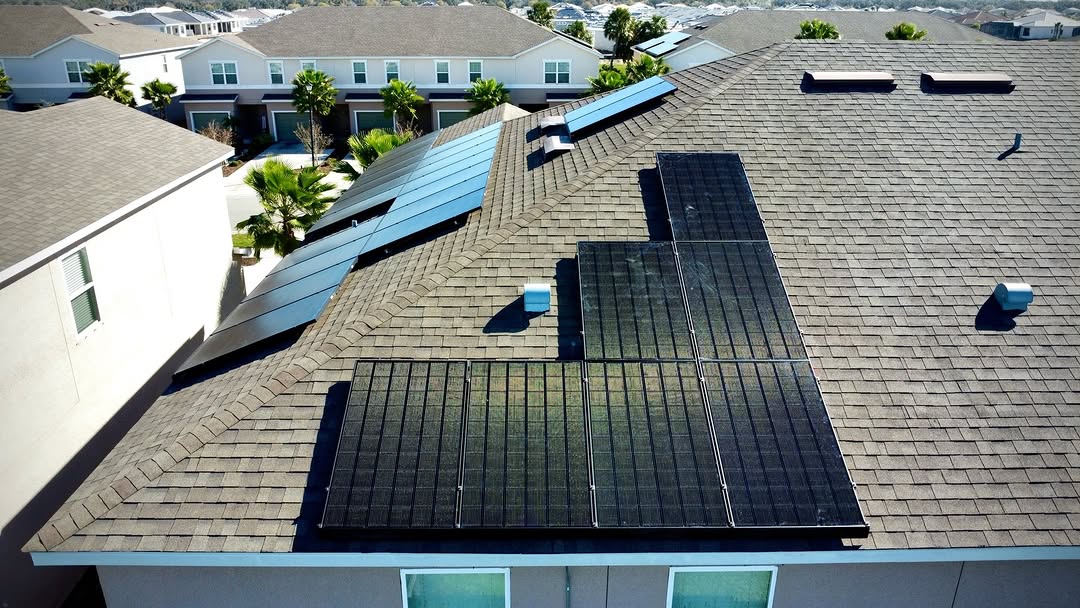
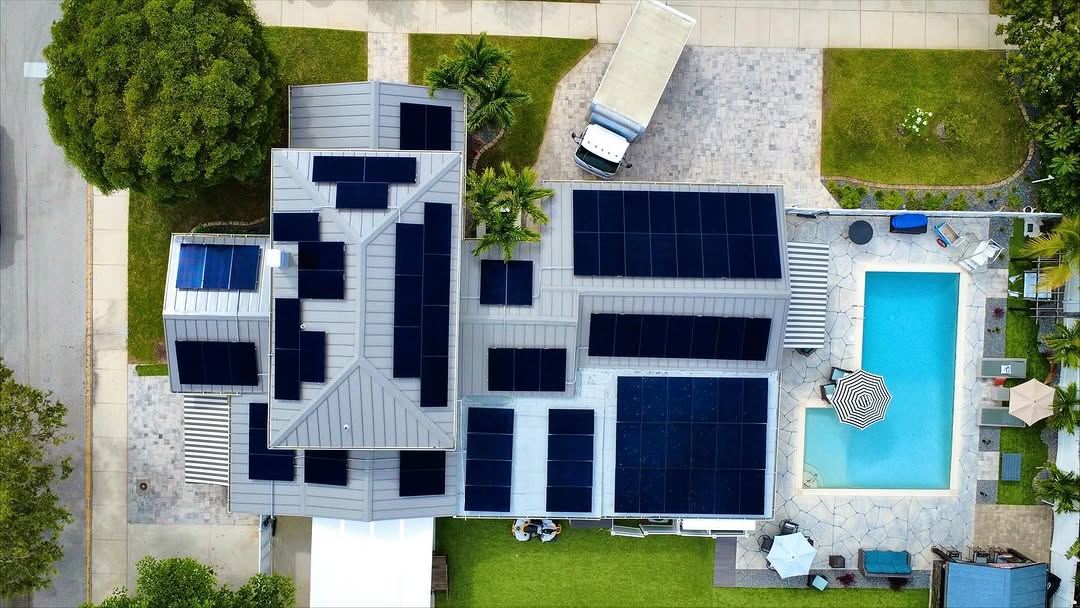
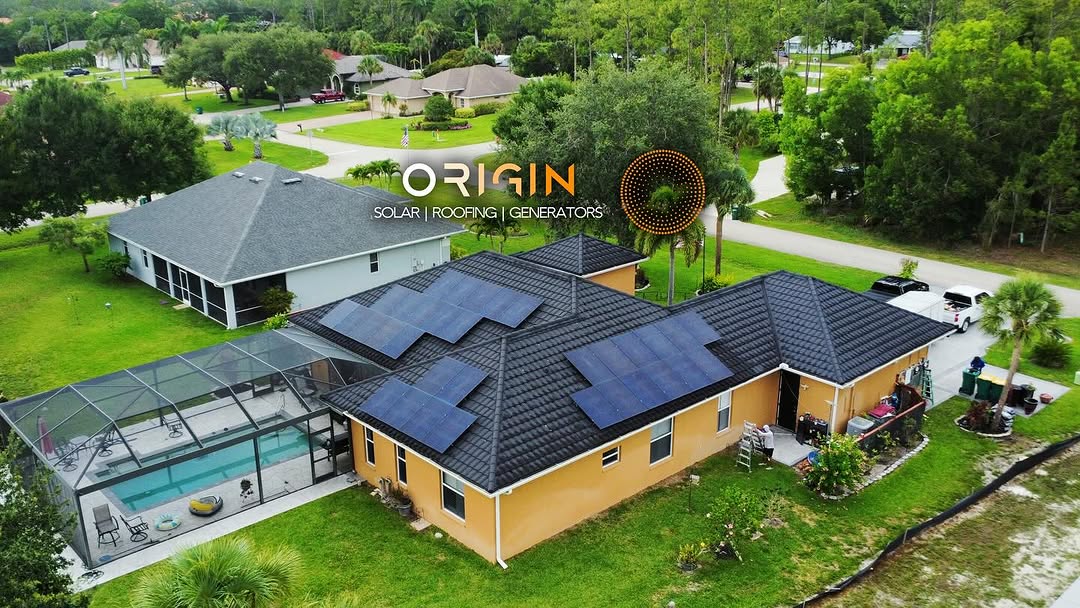
A panel count does not explain the whole design. Ask which roof planes are being used, how shade and roof direction were considered, and whether the roof needs attention before mounting begins. Our installation gallery shows how arrays can differ between shingle, tile, metal and flat roofs. The design for your address still needs its own technical review.
Know the steps after saying yes
An accepted proposal starts the project process. Property verification, final design, permitting, installation, inspection and utility interconnection are separate milestones. Ask who owns each handoff and what you receive at closeout, including equipment information, monitoring access and applicable warranties. Installation alone does not mean a grid-connected system is authorized to operate.
ORIGIN / FROM THE FIELD
Different roofs. Thoughtful layouts.
Explore finished arrays, battery equipment and the installation details in Origin’s project photography.
Shingle-roof solarA different roof. A different layout.Solar across a tile roof
YOUR UTILITY. YOUR PROPOSAL.
Florida solar starts with the bill you have.
The utility name on your bill matters more than your city name. Bring 12 months of usage, your roof details and any planned EV or battery so the proposal can explain system size, remaining charges and export assumptions.
Tampa Electric / TECO
Tampa Electric describes utility interconnection as a step after installation. If TECO is on your bill, ask who submits the application and coordinates the utility inspection. Keep that milestone separate from the crew’s installation date.
OUC publishes different export-credit treatment based on the completed application date, with a transition scheduled for fall 2026. If OUC is on your bill, have the proposal identify the applicable arrangement instead of assuming all exported power receives the same credit as purchased power.
FPL provides its own net-metering application and connection requirements. If your account is with FPL, review those requirements alongside the proposed system size and ask which documents remain before the system can be connected.
Official resources reviewed September 6, 2026. These links do not determine your provider, rate or eligibility. Confirm the current account terms before signing.
The attachment plan depends on the actual roof assembly. Share the roof material, condition and warranty information before comparing mounting options. Review Origin’s real installation photos with the project team and ask which roof planes, attachment details and electrical work belong in your written scope.
Made for your property
A clear scope. From the start.
Here’s what we review when planning your solar panels project.
A design that fits
We evaluate your usage history, roof layout, and shade to develop a system recommendation.
Our team coordinates the electrical scope, permitting, inspections, and utility interconnection.
A confident handoff
Understand your monitoring, equipment, warranties, and utility permission to operate.
Before you decide
A few details worth knowing.
Do I need a south-facing roof?+
Roof direction is one part of the picture. Shade, available space, roof pitch, and your usage all affect the design. A site assessment helps determine what is practical.
Will I still pay the utility?+
Yes. A solar system changes how much electricity you buy from the grid. Utility customer charges, remaining usage, and applicable fees still need to be included in your budget.
Can I add storage?+
Often, yes. Battery compatibility, capacity, and backup circuits need to be designed around your equipment and goals.