See solar on your Orlando home, then request a battery review around the appliances that matter to you. Your roof, electricity use and backup goals stay together in one request.
Real roof data. A report made for your home.
1Find your roof
2Unlock your report
3Explore your design
Start with your real roofReveal a preliminary solar layout and production estimate.
Tell us what you want to keep runningYour backup priority goes to Origin with your request.
Review storage with your utilityBattery sizing and savings follow a separate equipment and bill review.
Veteran-owned · Florida license EC13012465
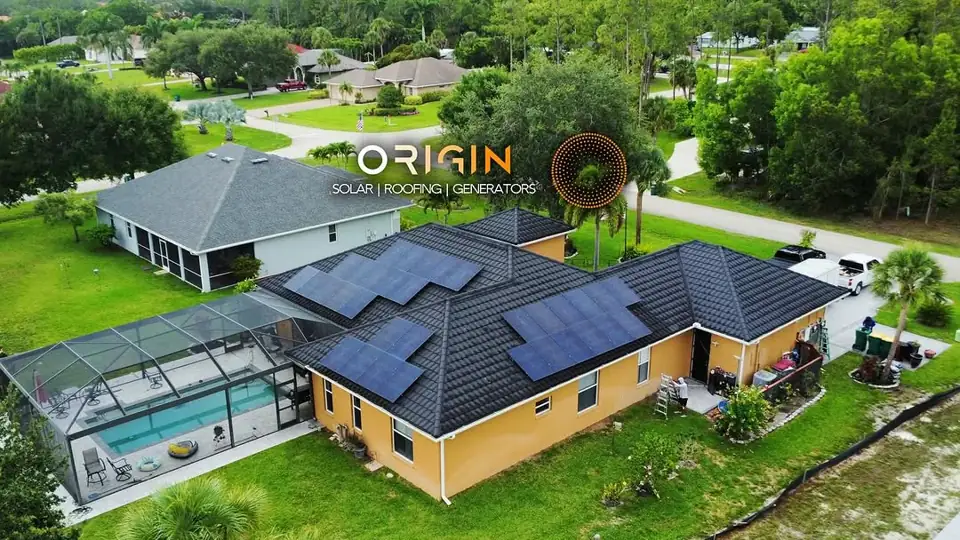
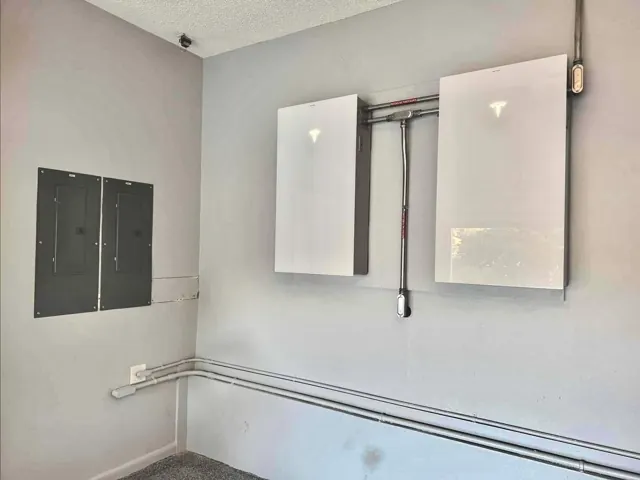
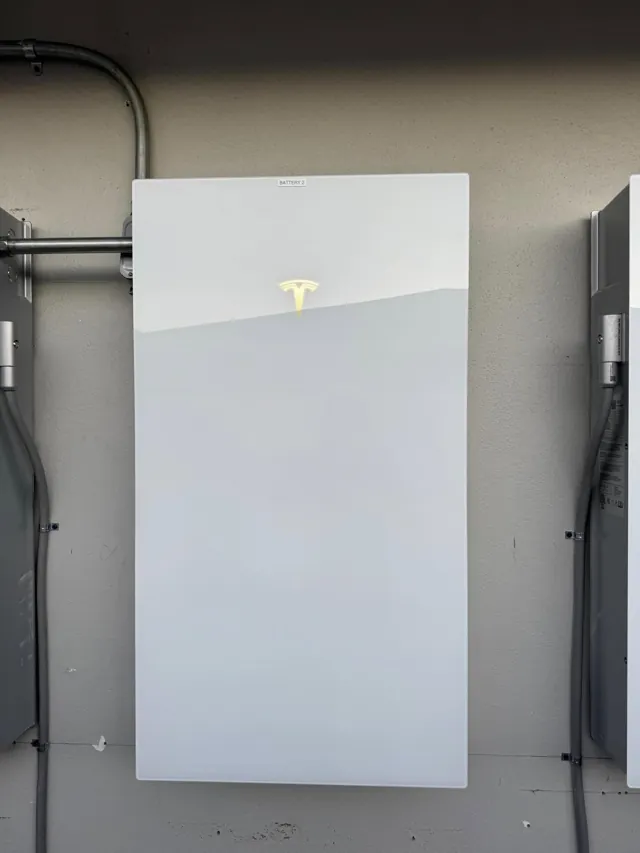
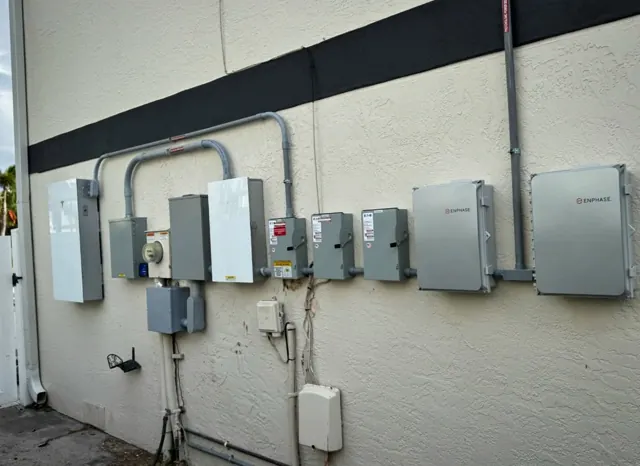
REAL ORIGIN INSTALLATION · EXPLORE YOUR HOME NEXT
01 / START WITH YOUR HOME
Your roof has a story. Let’s see its solar potential.
Google coverage varies. Your address is shared with Google to find your roof. Contact details are requested before revealing your panel design and solar potential report.
Preliminary layouts and production are estimates, subject to imagery coverage and property and utility review. Prefer to talk? Book a video review.
YOUR REQUEST. A USEFUL NEXT STEP.
More than a name on a contact form.
Your initial roof preview, entered bill and project goal travel with your request. Origin follows up to confirm your actual usage and the work your home needs.
Already speaking with someone at Origin? Share your report with them to keep the project in one conversation.
What your review works toward
Your preliminary solar layout and energy estimate
Your requested backup loads carried into the review
A separate battery, transfer-equipment and installation scope
Utility and export assumptions identified in the personalized proposal
Instant output is a preliminary solar report where usable Google data exists. Final design, equipment, pricing and any savings comparison follow property review.
BUILT AROUND YOUR HOME
Two questions: how much energy, and when?
Solar production, stored energy and backup power answer different questions. Start with the roof preview, then bring a short list of the equipment you want to support. The instant report models solar only; Origin must separately assess battery capacity, power output and transfer equipment.
01
Name the loads before the battery.
“Keep the essentials running” could mean a refrigerator and a few lights, or it could include central air conditioning. List the appliances, any starting demands and the time you hope to support them. A larger solar array does not itself establish battery runtime or whole-home backup.
An Orlando address does not prove OUC service. If OUC is on your bill, ask which TruNet treatment applies to your account. OUC identifies November 1, 2026 as the rate-change date and distinguishes application-date groups. Compare electricity used at home with electricity exported; do not assume they have the same value.
OUC’s battery program requires qualifying storage paired with an approved interconnected solar array. Accepting the rebate requires giving up eligibility for the TruNet Full Retail Rate on exports. Ask OUC to confirm your account’s treatment before weighing the rebate against long-term export credits. Origin does not determine eligibility.
No. It estimates solar production and energy offset. Origin reviews your backup-load list, equipment compatibility and desired duration before proposing storage. The report is not a runtime or outage-performance guarantee.
I already have solar. Can I ask about a battery?
Yes. Use the existing-system battery request linked below so Origin can start with your installed inverter, array and electrical equipment instead of treating your home as a new solar installation.
Is Origin part of OUC?
No utility affiliation is claimed. OUC controls its account rules and program eligibility. Origin reviews the proposed installation scope and coordinates the applicable project process.